How to Use Squarespace to Build a Website That Converts Visitors into Clients
You’re a non-technical entrepreneur with a vision, not a coder. So how do you turn that vision into a website that works?
Let’s show you how to use Squarespace to build a website that converts visitors into clients.
Studies indicate that even among high-traffic sites, conversion rates often sit around 3.68% globally. That means little design tweaks make a big difference.
“The first version of your website is your business’s handshake to the world.”
If that handshake is weak or clumsy, the relationship ends before it begins.
Here you’ll learn how to skip the tech overwhelm, choose the right tools, and get your site working for you.
Key Takeaways
|
Why Squarespace Works for Non-Tech Entrepreneurs
Squarespace, founded by Anthony Casalena, simplifies website building for non-technical users. It covers everything from domain registration to e-commerce integration, removing the need for plugins or external hosting.
As an all-in-one website builder, it includes:
- Built-in SEO tools
- SSL certificates
- And website analytics
The drag-and-drop website builder and customizable templates let users design professional sites quickly.
Squarespace follows W3C standards and connects with Google Analytics Certification for accurate performance tracking.
It helps entrepreneurs launch secure, mobile-friendly designs that look professional without developer support.

How to Start Your Squarespace Website (Even If You’re Not Tech-Savvy)
Building your website on Squarespace is more straightforward than most expect.
Here’s how to get started and make your website work as a real conversion tool.”
Step 1. Choose the Right Template
Squarespace offers a wide range of responsive web design templates optimized for performance and visual appeal.
For small businesses, law firms, and service providers, look for templates that focus on clarity, trust, and conversion.
If you’re in professional services, such as Squarespace development for law firms, consider clean designs with space for testimonials and service descriptions.
Each template can be tailored through custom CSS and code, allowing you to maintain brand consistency without needing to build from scratch.
Pro Tip:
|
Preview your template across devices to ensure a mobile-friendly design from the start. Around 64.35% of web traffic comes from mobile users, so responsiveness isn’t optional; it’s essential. |
Step 2. Customize the Look and Feel
Once you’ve chosen your template, it’s time to make it your own. You can easily adjust fonts, colors, spacing, and images using the drag-and-drop website builder.
For those who want to go beyond visuals, Squarespace also offers a developer platform where you can add custom CSS and code for advanced customization, ideal for agencies or professionals who want more control.
Important Things To Consider:
|
Brand consistency builds trust.
|
Squarespace – A Win-Win for Design and Simplicity
|
Platforms like TechRadar and SiteBuilderReport often praise Squarespace for offering professional-grade customization without requiring advanced design skills. |
Step 3. Add the Essential Pages
Your website should feel intentional and easy to navigate.
At a minimum, include these pages:
- Home: Your value proposition, make it clear who you help and how.
- About: Share your story and credibility. Mention certifications or achievements.
- Services / Products: Clearly outline what you offer and how it benefits clients.
- Contact: Include a form, phone number, and booking option for direct conversions.
Squarespace’s content management system allows you to duplicate page layouts, create custom sections, and even integrate marketing automation tools to capture leads.
If you’re running an online business, setting up an e-commerce integration is simple.
You can list products, accept payments, and manage orders directly within Squarespace, no third-party apps required.
Step 4. Connect Your Domain and Make It Official
When your design is ready, make your website public by connecting your domain.
Squarespace includes domain registration and an SSL certificate with every plan, ensuring that your website is secure and professional.
Your SSL certificate protects customer data and improves SEO ranking, as Google prioritizes secure websites.
Bonus Point:
|
For small businesses, this simple setup step adds credibility and trust. Also, Squarespace provides direct DNS management, so you don’t need to juggle multiple platforms or wait days for domain propagation. |
Step 5. Optimize for Mobile and Search Engines
Even the best-designed site won’t help if it can’t be found. That’s where Squarespace’s built-in SEO tools come in.
Here’s what to do:
- Write keyword-focused titles and descriptions. Use your primary keyword, how to use Squarespace to build a website, naturally in your copy.
- Optimize images with descriptive file names.
- Use Squarespace’s website analytics to track engagement, bounce rate, and conversions.
- Add schema markup and connect Google Analytics for performance tracking.
Squarespace sites automatically come with responsive web design, so your content adjusts beautifully to mobile, tablet, and desktop views, a factor that significantly impacts both SEO and conversion rates.
Note:
|
When evaluating Squarespace vs WordPress for SEO, Squarespace’s built-in optimization features, like automatic sitemaps, SSL, and structured data, eliminate the need for extra plugins or manual setup. |
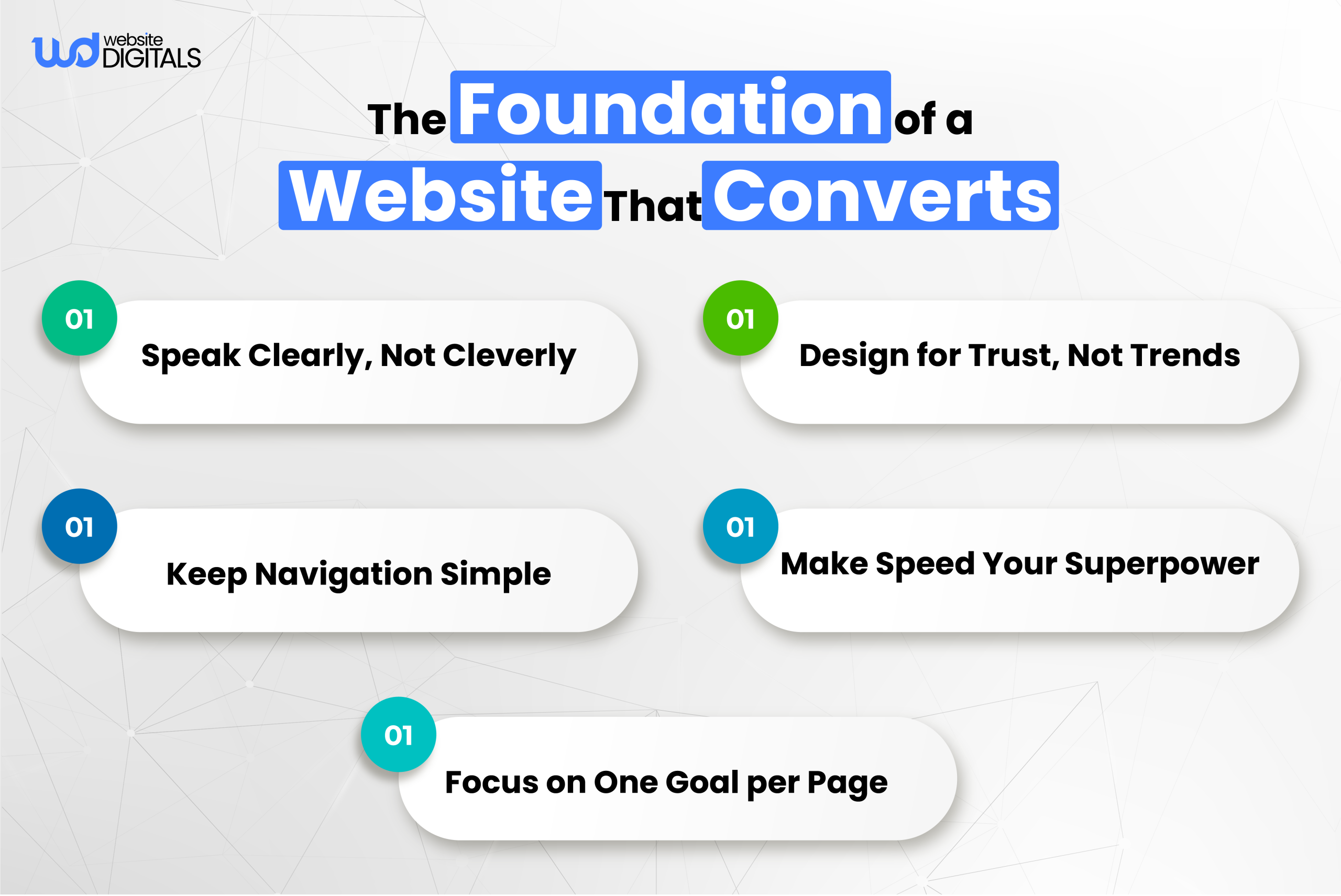
Conversion Essentials Every Squarespace Website Should Include
Your website should not just look good; it should convert.
Here are the must-have elements every business site should implement:
- Clear Calls-to-Action (CTAs)

Every page should tell visitors what to do next, whether it’s “Book a Call,” “Download a Guide,” or “Get a Quote.” Avoid cluttered buttons; clarity wins every time.
- Lead Magnet
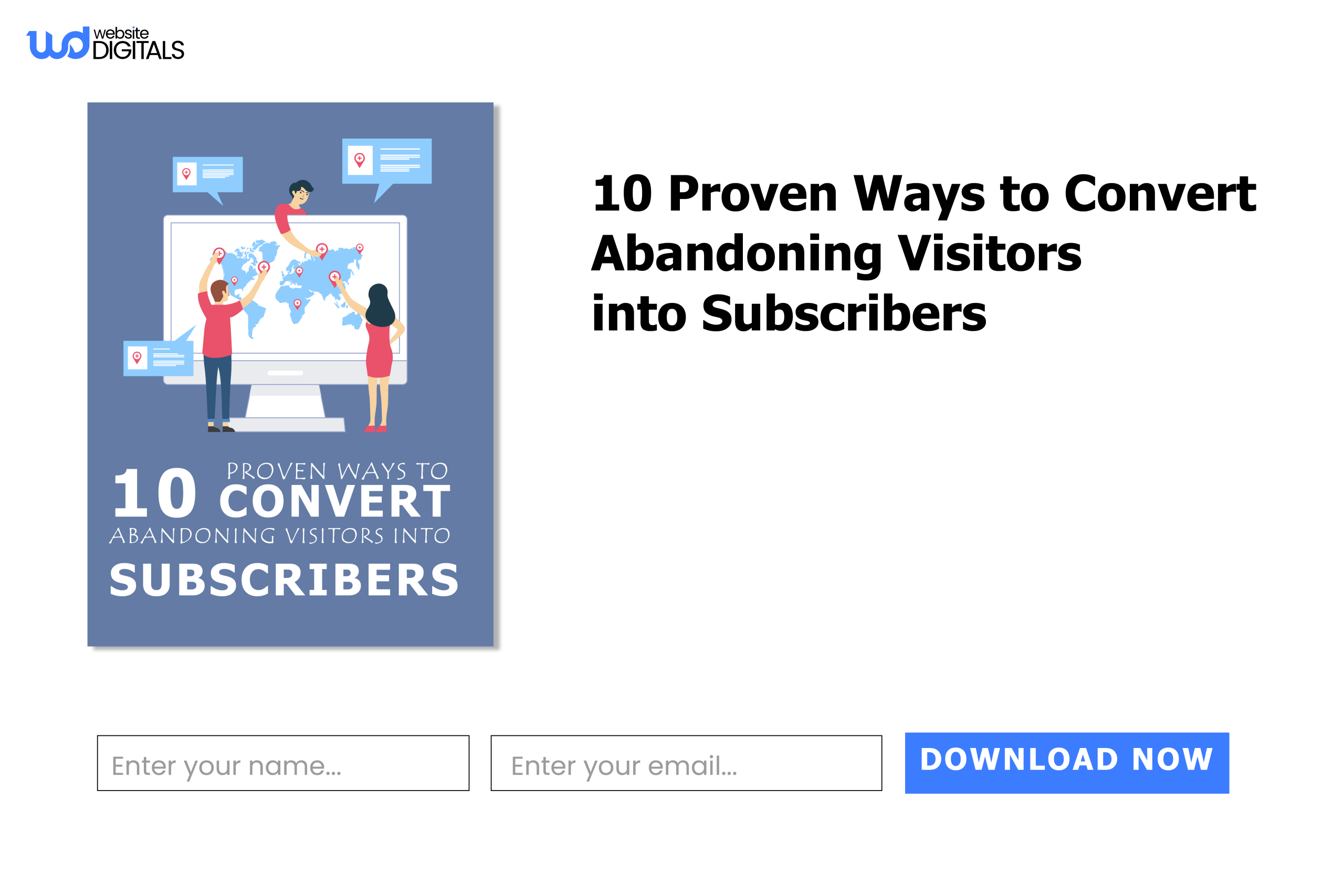
Offer a valuable freebie (like an ebook or checklist) to encourage visitors to share their email. Integrate it with your email tool using Squarespace’s marketing automation features.
- Testimonials and Social Proof

Use client reviews, social proof, or media mentions from trusted sources like Wired or TechRadar to establish authority and trust.
- Easy Booking and Contact Options

Add scheduling options or a contact form so clients can reach you without friction. You can integrate third-party scheduling tools or use Squarespace’s built-in features.
- Email Integration for Engagement
Connect your site with email tools for nurturing leads. Whether you use Mailchimp or another provider, automation helps you stay top-of-mind with prospects.
Real World Case Study:
|
The Handmade Skincare Brand featured in Ksenia Krasilich’s Squarespace 7.1 case study increased conversions through a clean Squarespace eCommerce design with clear CTAs, authentic testimonials, and simplified navigation. An optimized add-to-cart flow reduced drop-offs, while lead capture and marketing automation tools nurtured engagement, turning the site into a conversion-focused platform that boosted both trust and sales. |
Website Mistakes That Kill Conversions (and How to Fix Them)
|
Common Mistake |
Why It Hurts |
Better Approach |
|
Overloaded homepage |
Visitors get lost |
Focus on one key message |
|
No clear CTA |
No direction for users |
Add one main action per page |
|
Inconsistent design |
Reduces trust |
Stick to 2–3 brand colors |
|
Slow loading speed |
Increases bounce rate |
Compress images, avoid heavy videos |
|
Generic messaging |
Feels impersonal |
Speak to a specific audience |
Ready to Build a Squarespace Website That Converts?
Mastering how to use Squarespace to build a website means understanding how design, structure, and functionality work together to turn visitors into clients. When done right, your website becomes more than an online presence; it becomes an expansion machine for your business.
And if you’re wondering, is Squarespace good for SEO? Absolutely. Its optimized templates, secure hosting, and fast-loading pages are built to perform well in search and support long-term visibility.
At Website Digitals, we specialize in building Squarespace websites that combine clean design with measurable performance.
If you’re ready to launch a professional, high-performing Squarespace website, reach out to Website Digitals at info@websitedigitals.com or call (646)-222-3598. Let’s build a website that works as hard as you do.
FAQs
What does Website Digitals specialize in?
We design and develop Squarespace websites tailored for small businesses, professionals, and firms. Our focus is on creating visually clean, conversion-focused sites that are easy to manage and perform consistently.
Why choose Website Digitals for your website project?
We handle everything from setup and customization to performance and analytics, so you can focus on your business while we build a site that drives real results.
What is Squarespace and how does it work?
It’s an all-in-one platform that lets anyone build and manage a website. Everything, hosting, templates, domains, and security, is included in one simple dashboard.
Can I build a website without coding on Squarespace?
Yes. The platform is designed for ease of use so that you can create and edit your site visually without any coding knowledge.
How do I choose the right template in Squarespace?
Start with a design that fits your brand’s tone and structure. Look for layouts that match your content type, such as portfolios, services, or online stores, and adjust colors, fonts, and sections as needed.
How much does it cost for small businesses?
Pricing depends on the plan you choose. Most small businesses find the basic business plan affordable and sufficient for managing a professional online presence.
Can I hire an expert to build my website?
Absolutely. Hiring an experienced designer or an agency like Website Digitals ensures your website is built right from the start, visually strong, technically sound, and optimized for conversions.
How does Squarespace compare with Wix and WordPress?
Squarespace offers an easier setup and cleaner design experience, while Wix provides more drag-and-drop flexibility, and WordPress suits advanced custom builds that need plugins or coding.
What are the best website builders for small businesses in the U.S.?
Top choices include Squarespace, Wix, WordPress, and Shopify. The right one depends on your goals, design control, budget, and e-commerce needs.
How does Squarespace compare with Shopify for online stores?
Squarespace is great for smaller shops and service-based businesses, while Shopify is better suited for larger stores with advanced inventory and sales management needs.