Headless CMS Advantages for Agile Development and Seamless Integration
When project timelines tighten and every sprint counts, web development teams can’t afford to be slowed by outdated systems.
Exploring the headless CMS advantages and the growing benefits of content management system design has become more than a trend.
“If you do not change direction, you may end up where you are heading.”
Traditional CMS platforms often restrict innovation, leaving engineers fighting against rigid structures instead of delivering value.
According to Forbes, headless architecture enables faster load times and improved performance, which can lead to better user engagement and SEO rankings.
If bottlenecks or clunky integrations limit your team’s velocity, it’s time to change.
This blog will lay out how a headless CMS architecture brings clarity, speed, and integration harmony to your delivery pipeline. Let’s dig in.
Key Takeaways
|
Why Development Teams Are Embracing Headless CMS for Web Growth
As digital experiences keep expanding across platforms, teams can’t afford systems that slow them down.
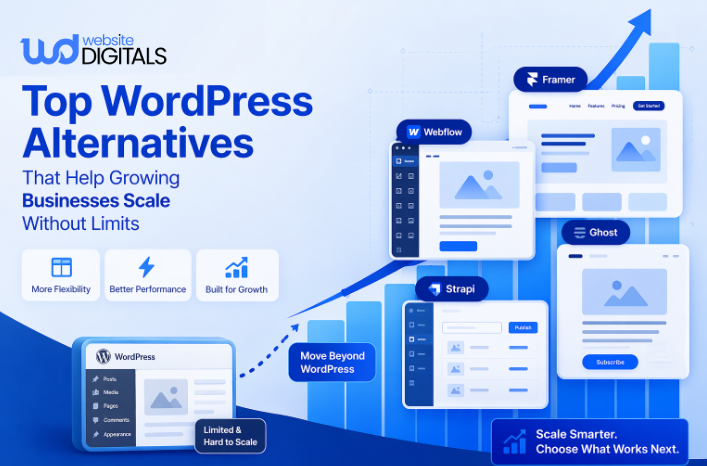
Traditional CMS tools like WordPress and Drupal were built for a time when websites were the only channel that mattered.
Today, content lives everywhere, on mobile apps, IoT devices, and digital experience platforms (DXPs), and that’s where those older systems start to struggle.
They simply weren’t designed for this level of flexibility.
The headless CMS advantages give developers and content teams the freedom to build, integrate, and scale without the limitations of traditional architecture.
What to Know About Headless CMS Architecture and API-First Functionality
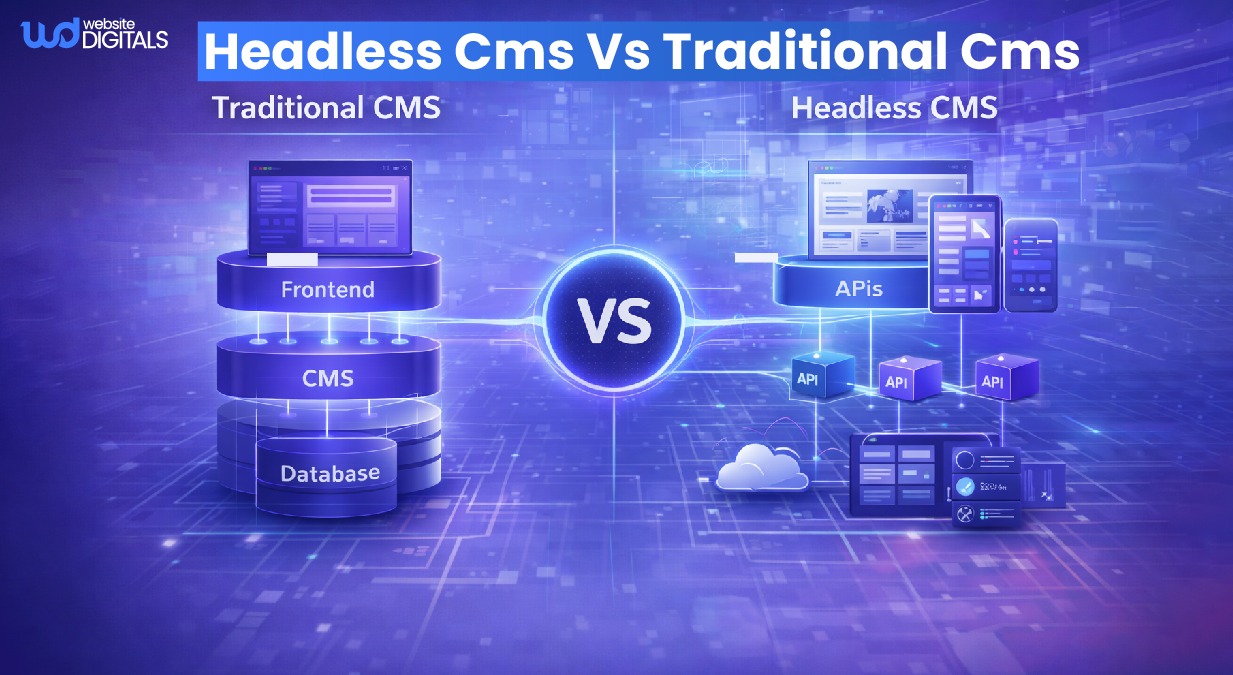
At its heart, a headless CMS separates the content repository (where data lives) from the presentation layer (where users interact).
Instead of forcing teams into predefined templates, it provides content-as-a-service (CaaS) through RESTful APIs or GraphQL APIs, giving developers control over how, where, and when content appears.
Core Components:
- Backend repository: Centralizes and structures content for reuse.
- APIs: Power data exchange between backend and frontend frameworks such as React, Vue, or Angular.
This separation supports framework-agnostic development, letting engineers build experiences with modern JavaScript frameworks while content creators manage everything in an intuitive interface
Note:
|
Many organizations that once relied on a Drupal CMS development firm are now modernizing through headless CMS adoption. This transition enables API-driven integrations, improved frontend performance, and simplified content delivery across multiple digital touchpoints. |
Key Headless CMS Advantages Driving Modern Development
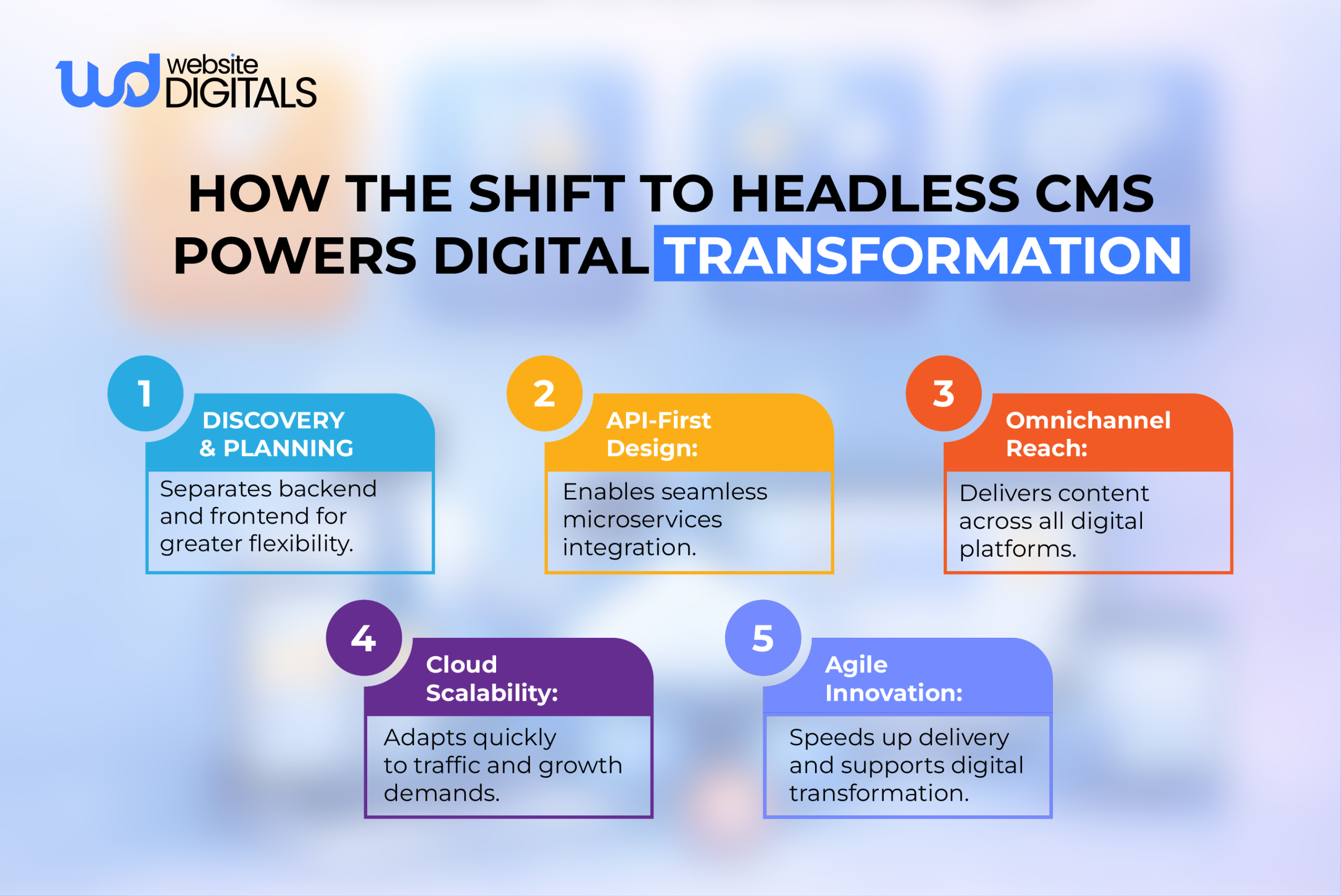
1. Content-as-a-Service (CaaS)
A headless CMS acts as a central hub for creating, storing, and distributing content. Teams can push structured data to websites, apps, or even wearables without rebuilding the frontend.
2. API-First Flexibility
With its API-first architecture, headless CMS enables seamless integration with CRM, analytics, or e-commerce platforms.
Through RESTful or GraphQL APIs, teams can customize data flows, automate updates, and enable continuous integration (CI/CD) pipelines for faster deployments.
Note:
|
This modular setup supports DevOps workflows, encouraging rapid innovation while maintaining stability and performance. |
3. Enhanced Security and Performance
By decoupling content delivery from the backend, headless systems minimize exposure to web vulnerabilities like SQL injection and XSS.
Paired with CDN integration and cloud-native scalability, they also deliver lightning-fast page load speeds, improving both user experience and SEO performance.
Real World Case Study:
|
In just four weeks, a three-person team built a modular campaign system connecting Shopify data and personalized content across global markets. The result? A 25% jump in conversions and a 7× boost in click-through rates, clear proof of how headless CMS advantages translate into agility, scalability, and real business impact. |
Driving Agility and Innovation Through Headless CMS Advantages
-
Accelerating Agile Development and Team Collaboration
Headless CMS naturally complements Agile principles by supporting independent workflows and iterative delivery.
Developers can deploy UI updates while content creators publish new assets, all without code conflicts.
- Faster Sprints: Tasks can be prioritized independently for content and code, reducing delays.
- Continuous Deployment: API-based delivery allows instant updates without re-deploying full applications.
- Automated Testing: Since everything runs via APIs, QA teams can use API testing tools for accuracy and consistency.
-
Seamless Integration Across Modern Tech Stacks and Microservices
Integration flexibility is a defining strength of the headless CMS advantages model.
Whether connecting with marketing automation platforms, analytics dashboards, or microservices, it’s designed for interoperability.
RESTful and GraphQL APIs provide developers the freedom to query data as needed.
Meanwhile, integration into CI/CD pipelines ensures content updates deploy automatically with code changes, keeping teams aligned and systems in sync.
This interoperability makes headless CMS an essential tool for composable architectures and enterprise agility.
-
Empowering Frontend Developers with Framework Freedom
For frontend engineers, a headless CMS is liberating.
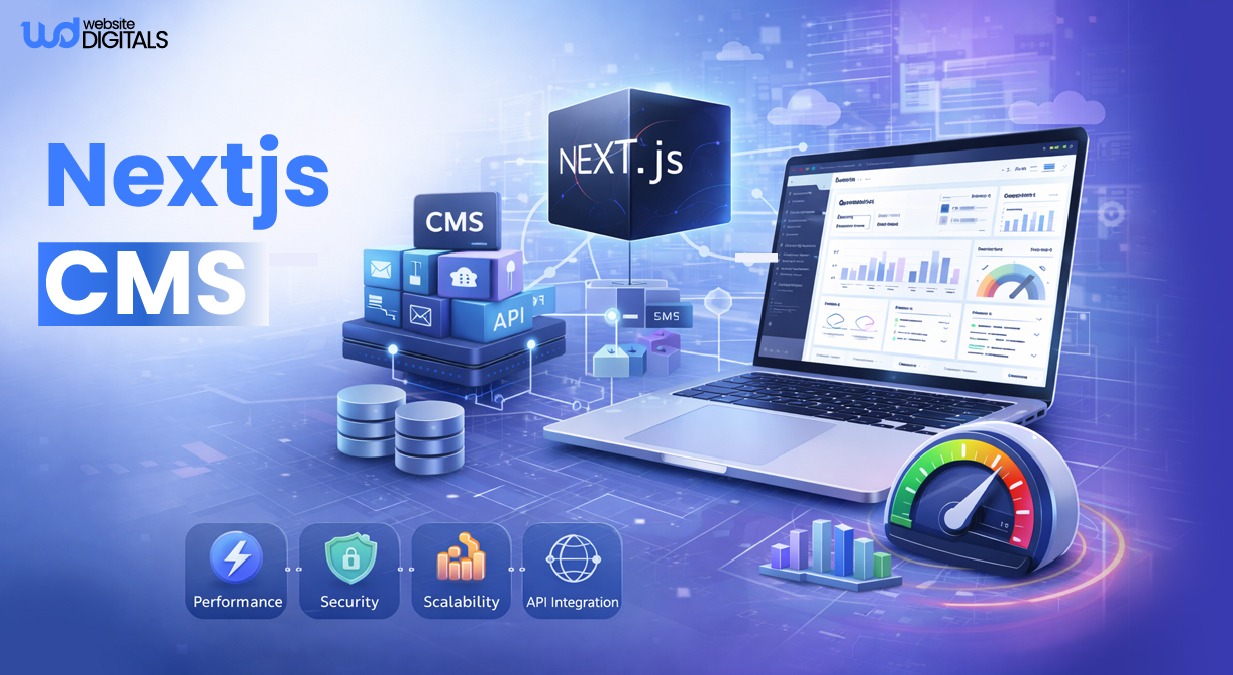
Its framework-agnostic design supports React, Vue, Next.js, and Angular, enabling teams to focus on performance, UX, and core web vitals without backend limitations.
By integrating via APIs, developers can quickly prototype and iterate, while content teams update assets in real time.
This separation also allows for personalized content experiences, content reuse, and marketing agility, critical factors in modern digital experience delivery.
-
Delivering Omnichannel Content for a Consistent Digital Experience
A major benefit of headless CMS is its ability to deliver consistent, personalized content across multiple digital touchpoints.
- Multi-Platform Publishing: Publish to web, mobile, smart devices, and voice assistants from one central source.
- Future-Proofing: New channels can be added easily using the same API endpoints.
- Consistent User Experience: One content repository ensures uniform messaging and brand voice everywhere.
Performance, Scalability, and SEO Benefits of Headless CMS
Performance is a direct by-product of the headless model. With CDN distribution, cloud-native scalability, and microservices flexibility, systems can handle traffic spikes effortlessly.
- Enhanced Website Speed: Optimized frontend frameworks ensure near-instant page loads.
- Elastic Scaling: Backend resources scale dynamically with demand.
- Global Delivery: Content reaches users worldwide with minimal latency.
These performance gains not only enhance UX but also support SEO through improved Core Web Vitals.
How to Choose the Right Headless CMS for Your Business Needs
Selecting the right headless CMS can make or break your digital strategy. The ideal platform should not only support your current content workflow but also scale effortlessly as your business grows. Here are the key factors to consider before making your decision:
- Scalability and Performance: Choose a cloud-native CMS that can handle traffic spikes and deliver fast, reliable performance through content delivery networks (CDNs).
- Ease of Use for Content Teams: A clean content editor interface and intuitive content modeling features are essential for non-technical teams to manage and publish content efficiently.
- API Flexibility (REST & GraphQL): Look for an API-first CMS that offers robust REST API and GraphQL API support, enabling seamless integration with your existing tech stack and frontend frameworks.
- Integration with DevOps and Analytics Tools: Ensure the CMS works smoothly within your DevOps workflows and connects easily with tools for automation, analytics, and marketing campaigns.
- Security and Compliance: Prioritize solutions that include role-based access control, data encryption, and compliance with enterprise standards to protect sensitive information.
Popular Headless CMS Platforms
|
Platform |
Description |
Best For |
Key Strengths |
|
Contentful |
An enterprise-ready, API-first CMS designed for scalability and seamless integration with complex systems. |
Large enterprises and multi-channel content teams. |
High scalability, strong API ecosystem, robust developer tools, and global CDN support. |
|
Strapi |
A flexible, open-source headless CMS that allows full customization and self-hosting. |
Development teams that want complete control over their backend. |
Open-source, customizable architecture, supports both REST API and GraphQL API, strong community. |
|
Ghost |
A lightweight, content-focused CMS built for fast publishing and easy maintenance. |
Small to mid-sized teams, publishers, and blogs. |
Simple UI, optimized for content performance, built-in SEO tools, and fast setup. |
Before finalizing your choice, evaluate each platform’s total cost of ownership (TCO), long-term developer productivity, and how well it aligns with your enterprise content management system (ECMS) goals.
A carefully selected headless CMS becomes the backbone of your digital presence, fueling agility, performance, and growth.
Conclusion: The Future of Content Management
The headless CMS advantages go beyond architecture; they transform how teams build, scale, and deliver content. With an API-first approach and agile workflows, brands can move faster and create seamless omnichannel experiences.
At Website Digitals, we help businesses harness the power of headless CMS for smarter, scalable CMS development. Connect with us at info@websitedigitals.com or call (646)-222-3598 to start your transformation today.
FAQs
How does Website Digitals help businesses with headless CMS development?
At Website Digitals, we design and implement scalable CMS solutions powered by headless architecture, ensuring speed, flexibility, and future-ready performance for your brand.
Why choose Website Digitals for CMS development?
Our team at Website Digitals combines deep CMS expertise with modern web development strategies to deliver secure, high-performing, and API-driven digital experiences tailored to your goals.
What are the advantages of a headless CMS?
The main headless CMS advantages include faster performance, API-first flexibility, and seamless integration across platforms, perfect for brands prioritizing agility and scalability.
Headless CMS vs traditional CMS: what advantages?
A headless CMS separates backend content from frontend design, giving developers more freedom and improving delivery speed across all digital touchpoints.
What are the benefits of a headless content management system for omnichannel delivery?
A headless CMS ensures omnichannel content delivery by allowing one content source to publish consistently across web, mobile, IoT, and digital experience platforms (DXPs).
Why use headless CMS for e-commerce?
A headless CMS enables personalized, fast-loading experiences and connects seamlessly with product databases, checkout systems, and marketing tools.
What are the headless CMS benefits for developer teams?
Developers love headless CMS for its API-first architecture and flexible workflows, enabling faster builds, better collaboration, and smoother integration with modern frameworks.