Web Design Essentials for Startups: A Comprehensive Guide to Building a Successful Online Presence
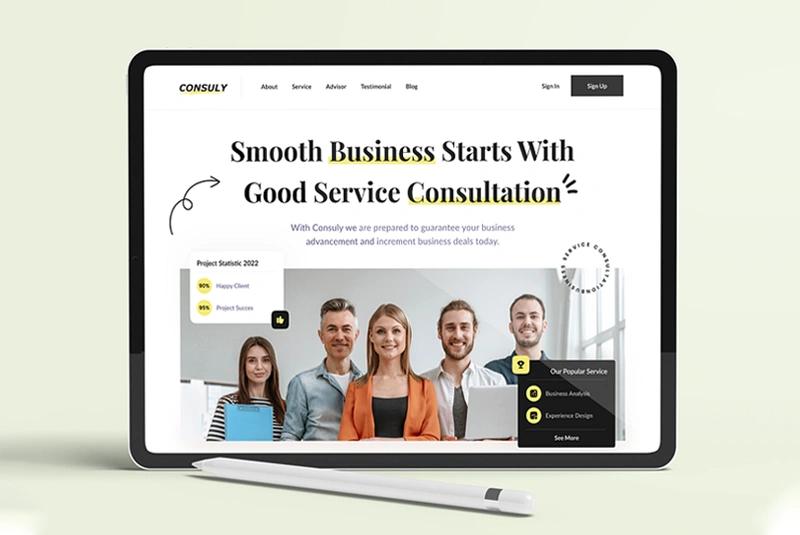
Starting a business is no small feat. Amidst all the chaos of setting up a startup, the importance of a well-designed website often takes a backseat. However, in today’s digital age, a strong online presence is non-negotiable.
This comprehensive guide will walk you through the web design essentials for startups, ensuring your website not only looks good but also functions seamlessly, engaging your audience and driving business success.
Understanding Your Audience
Know Who You’re Talking To
Understanding your target audience is the cornerstone of effective web design. Start by creating detailed user personas. These fictional characters represent your ideal customers, detailing their demographics, behaviors, needs, and goals. This process helps you tailor your website’s design and content to meet their specific needs.
Developing User Personas
- Demographics: Age, gender, income, education level, occupation
- Behaviors: Online habits, preferred devices, common activities
- Needs: Problems they need solving, information they seek
- Goals: What they hope to achieve by visiting your website
Analyze Audience Needs and Preferences Conduct surveys, interviews, and use analytics tools to gather data on your audience. This will give you insights into their preferences, such as the type of content they engage with and the features they find most useful.
Essential Elements of Web Design
User Experience (UX) Design UX design focuses on creating a seamless, intuitive experience for your users. Here’s what you need to consider:
- Ease of Navigation: Users should be able to find what they’re looking for without hassle. Use clear, descriptive labels for your navigation menus.
- Mobile Responsiveness: Ensure your website looks and functions well on all devices. With a significant portion of web traffic coming from mobile, this is crucial.
- Loading Speed: A slow website can drive visitors away. Optimize images, use efficient coding practices, and leverage caching to speed up your site.
User Interface (UI) Design UI design is about aesthetics and how your website looks to users. Important aspects include:
- Color Schemes: Choose a color palette that reflects your brand and appeals to your audience.
- Typography: Use readable, attractive fonts. Consistency is key.
- Imagery: High-quality images can make a big difference. Use them to support your content and enhance your site’s visual appeal.
- Consistency: Ensure uniformity in design elements like buttons, icons, and headings. This helps in creating a cohesive look and feel.
Planning Your Website
Define Your Website’s Purpose and Goals Start by identifying the primary objectives of your website. Common goals include:
- Lead Generation: Capturing potential customer information
- E-commerce: Selling products or services online
- Information Sharing: Providing valuable content to your audience
Set SMART (Specific, Measurable, Achievable, Relevant, Time-bound) goals to track your progress.
Creating a Sitemap A sitemap is a blueprint of your website structure. It helps in organizing your content and ensuring a logical flow. Use tools like Lucidchart or GlooMaps to create a sitemap.
Example of a Basic Sitemap Structure
- Home
- About Us
- Services
- Service 1
- Service 2
- Blog
- Contact Us
Choosing the Right Platform
Overview of Popular Web Design Platforms
- WordPress: Highly customizable, large community, extensive plugins
- Wix: User-friendly, drag-and-drop builder, great for beginners
- Squarespace: Beautiful templates, integrated e-commerce features
Pros and Cons of Each Platform
| Platform | Pros | Cons |
| WordPress | Highly customizable, SEO-friendly, huge community support | Steeper learning curve, requires maintenance |
| Wix | Easy to use, no coding needed, good customer support | Less flexible, can get expensive with add-ons |
| Squarespace | Beautiful design templates, easy e-commerce integration | Limited customization, fewer plugins compared to WordPress |
Factors to Consider When Choosing a Platform
- Budget: Initial setup and ongoing costs
- Scalability: Ability to grow with your business
- Ease of Use: Learning curve and technical skills required
Design Principles to Follow
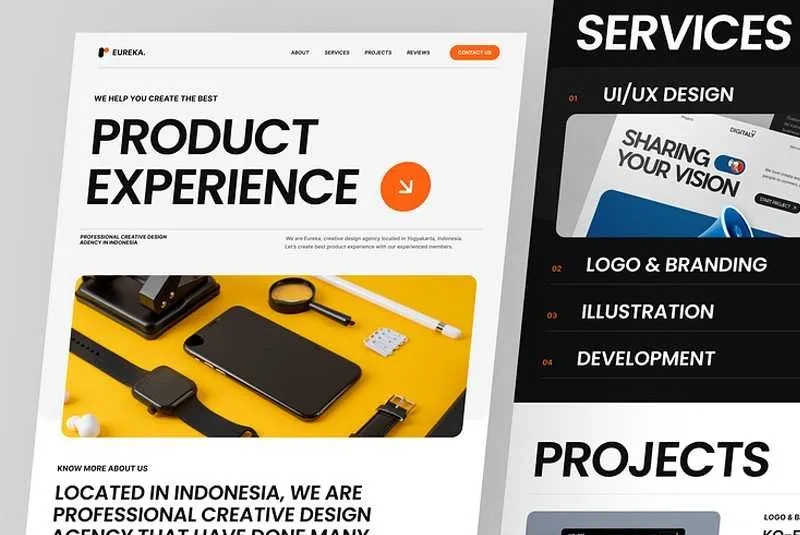
Simplicity Keep your design clean and uncluttered. Focus on essential elements and avoid unnecessary complexity. This helps in creating a user-friendly interface.
Consistency Maintain uniformity in design elements across all pages. This includes colors, fonts, button styles, and heading sizes. A consistent design improves user experience and builds trust.
Visual Hierarchy Guide users’ attention through strategic placement of elements. Use size, color, and layout to emphasize the most important parts of your website.
Accessibility Make your website accessible to all users, including those with disabilities. Key considerations include:
- Alt Text for Images: Describe images for screen readers.
- Keyboard Navigation: Ensure all interactive elements can be accessed via keyboard.
- Color Contrast: Use high contrast between text and background to enhance readability.
Content is King
High-Quality Content Content is what drives engagement. Ensure your content is relevant, valuable, and well-written. It should address your audience’s needs and provide solutions to their problems.
SEO Best Practices
- Keyword Research: Identify and use relevant keywords in your content.
- Meta Tags: Include meta titles and descriptions for each page.
- Alt Text: Use descriptive alt text for images to improve SEO and accessibility.
- Internal Linking: Link to other relevant pages on your site to keep users engaged and improve SEO.
Tools and Resources
Design Tools
- Adobe XD: Excellent for wireframing and prototyping.
- Sketch: Popular among UI designers for its vector editing capabilities.
- Figma: Great for collaborative design work.
Development Tools
- HTML, CSS, JavaScript: Basic coding knowledge is beneficial.
- Website Builders: For those without coding skills, website builders like Wix and Squarespace are ideal.
Analytics Tools
- Google Analytics: Track and analyze website traffic.
- Hotjar: Understand user behavior through heatmaps and session recordings.
Testing and Launching
Usability Testing Conduct usability tests to identify any issues with navigation, functionality, or content. Gather feedback from real users and make necessary adjustments.
A/B Testing Compare two versions of a web page to see which performs better. This helps in optimizing your website for better user engagement and conversions.
Steps for a Successful Website Launch
- Pre-Launch Checklist: Test all links, forms, and functionalities. Ensure all content is proofread and error-free.
- Launch Day Plan: Announce your launch on social media and through email newsletters. Monitor your website for any issues.
- Post-Launch Monitoring: Regularly check website performance and user feedback. Make ongoing improvements based on data and feedback.
Post-Launch Maintenance
Regular Updates and Maintenance Tasks
- Content Updates: Keep your content fresh and relevant.
- Security Checks: Regularly update plugins and software to protect against vulnerabilities.
- Performance Monitoring: Use analytics tools to track performance and identify areas for improvement.
Tips for Ongoing Improvements
- User Feedback: Continuously gather and act on user feedback.
- Stay Updated: Keep up with web design trends and best practices.
- Iterate and Improve: Regularly review and update your website to enhance user experience and performance.
By following these web design essentials, startups can create a professional, user-friendly website that effectively supports their business goals. Whether you’re just starting out or looking to improve your current site, these tips and best practices will help you build a successful online presence.